The Great Mongolian Gold Rush:
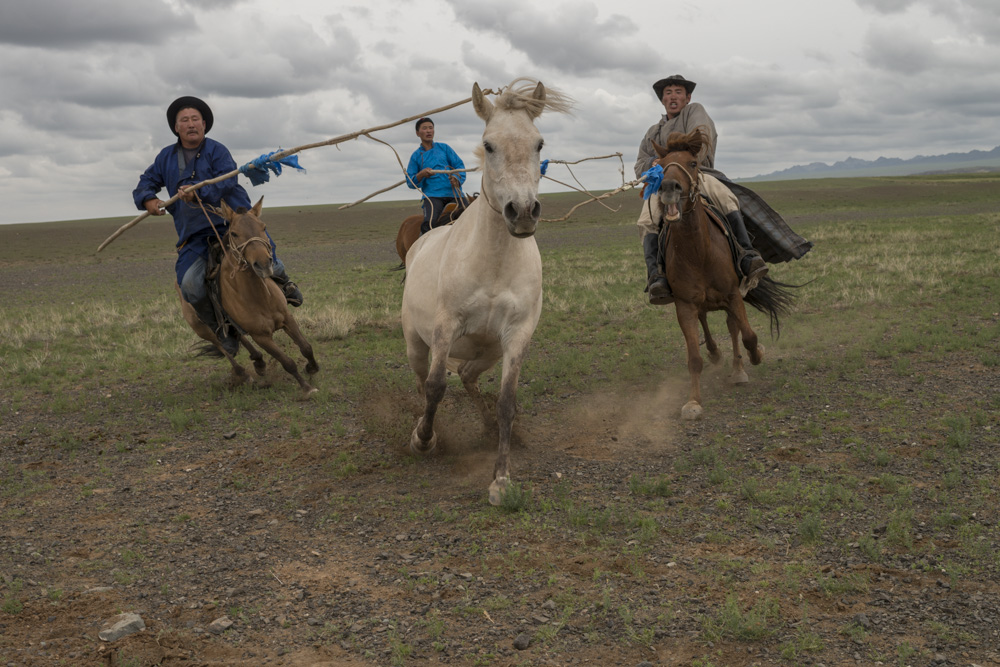
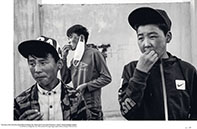
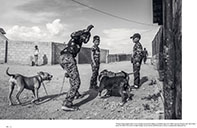
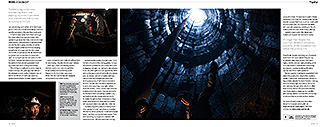
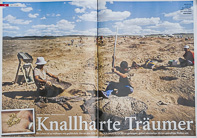
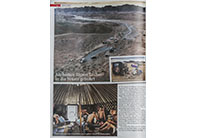
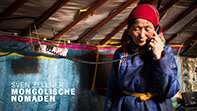
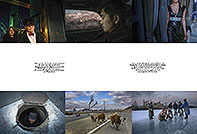
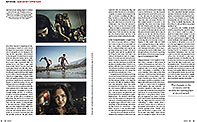
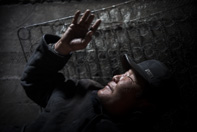
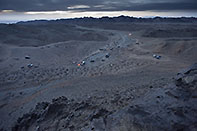
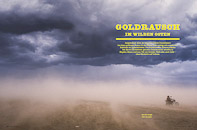
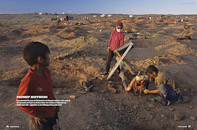
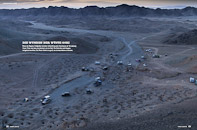
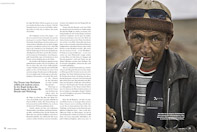
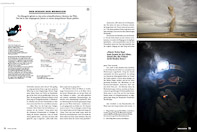
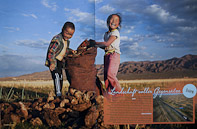
Mongolia is a country that is still affected by the culture of the nomads. However, since significant gold deposits have been discovered in Mongolia nomadic life and nature are under threat. The news of the exploitation of the valuable metal by foreign companies sparked great indignation among the nomads. According to an old law of the steppe the gold belongs to the inhabitants of the country. Some nomads started to dig for gold on their own and more and more joined them. Today more than 100.000 people are digging for gold illegally in Mongolia – They are locally called ninjas.
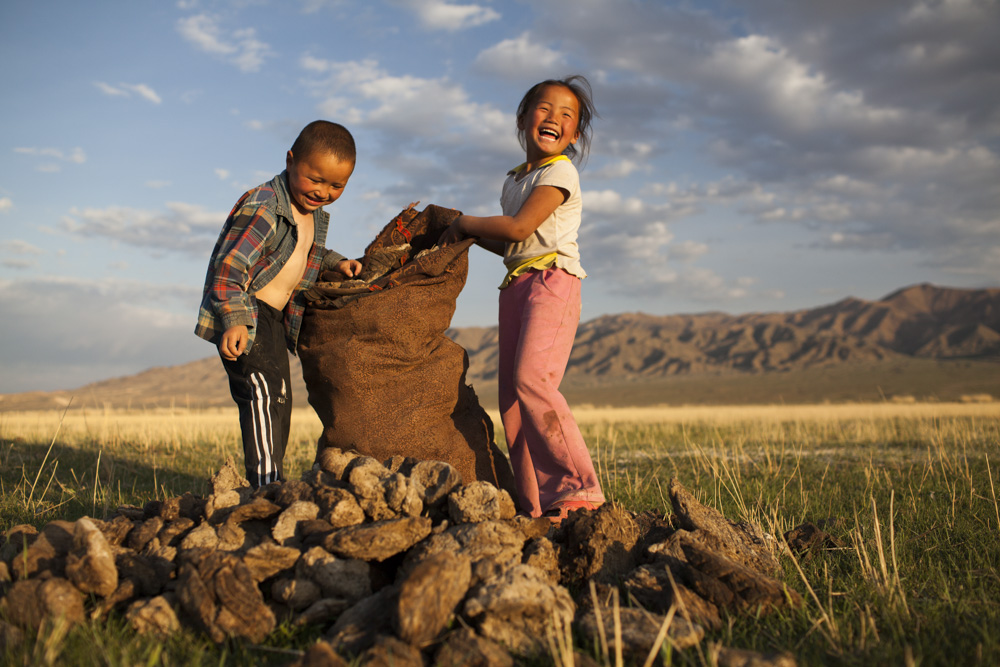
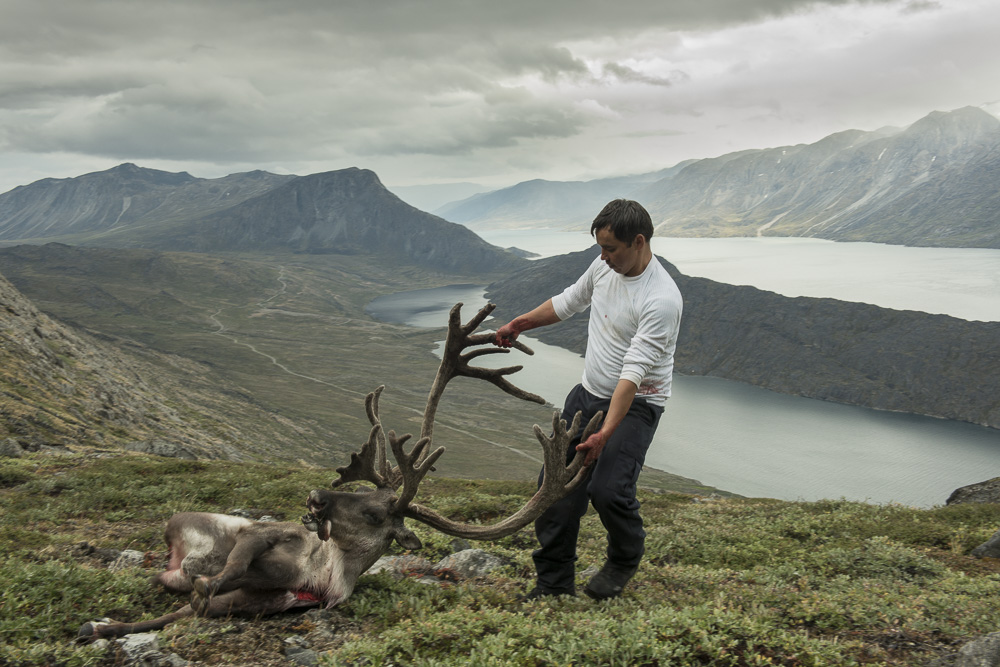
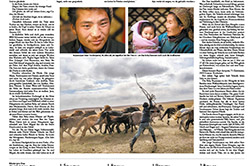
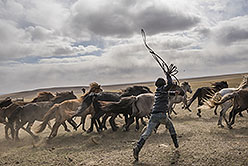
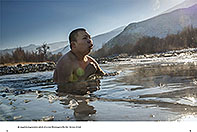
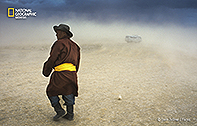
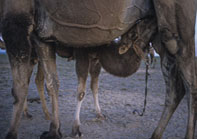
The life of the nomads is very hard and characterized by the harsh climate of the desert, sparse vegetation and the search for new pastures and water for the herds. Extreme cold winters and snow have led to repeated natural disasters in the past decades. The Mongolian term for these natural disasters is Zud, and describes events in which the animals cannot find enough food due to extremely cold temperatures, snow or ice. In February 2010 more than 2.000.000 animals were killed as consequences of a Zud. The pressure to abandon the nomadic life is very high for many families because of these extreme existential risks for the nomads and the lack of financial security. The people are longing for the "western prosperity” and dream of a comfortable life in the city. The unemployment in the cities is very high and the chances for a nomadic family that comes without funds to the city are very bad. Three quarters of the Mongolians live on about $2 a day. Therefore Mongolia belongs one of the poorest countries in the world. Many nomads are hoping to get rich by finding gold. Some families even give up their herds completely to dig for gold.
The Mongolian nomadic culture has a long tradition of a sustained relationship with nature and its resources. Therefore it is not allowed to take precious metals and stones. The Ninjas have a bad reputation within Mongolia. Most gold prospectors are ashamed to dig in the earth. They are aware that they destroy their land and that they live in violation of values that for their parents were still sacred. Yet more and more people are digging for gold in Mongolia.
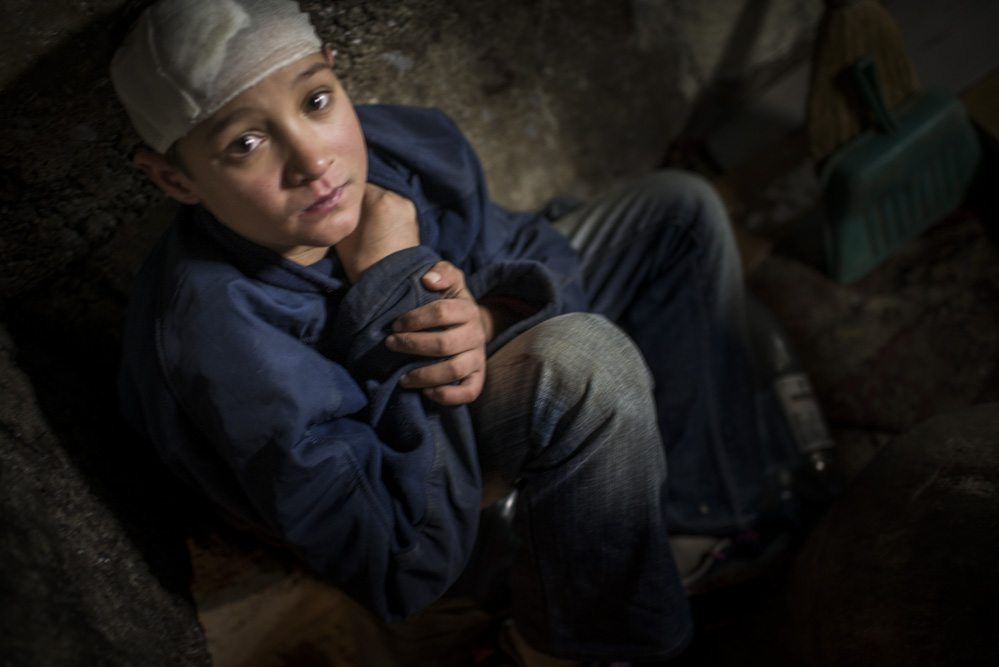
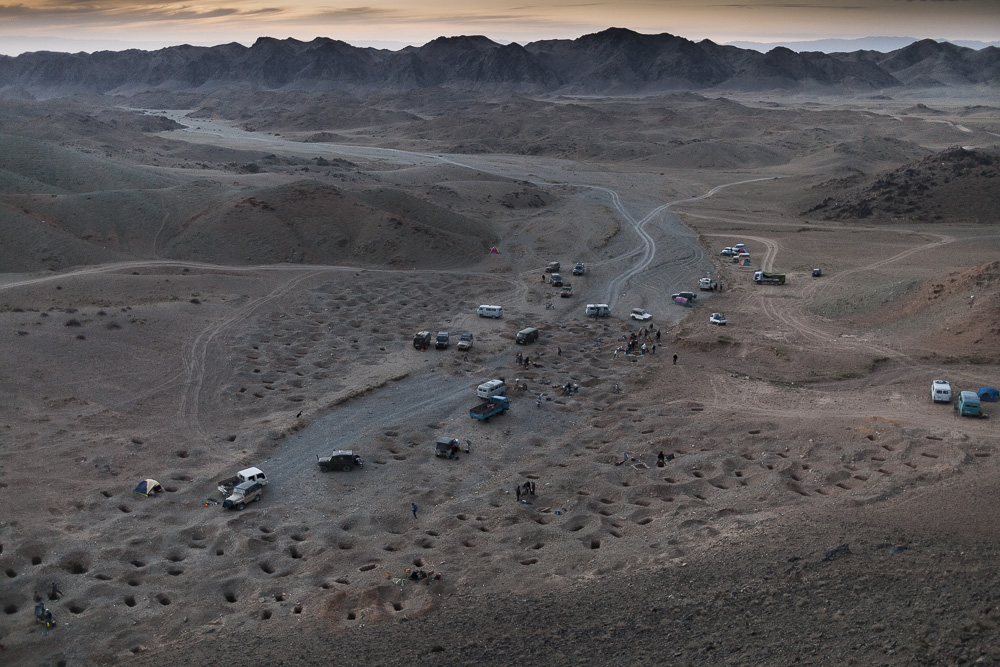
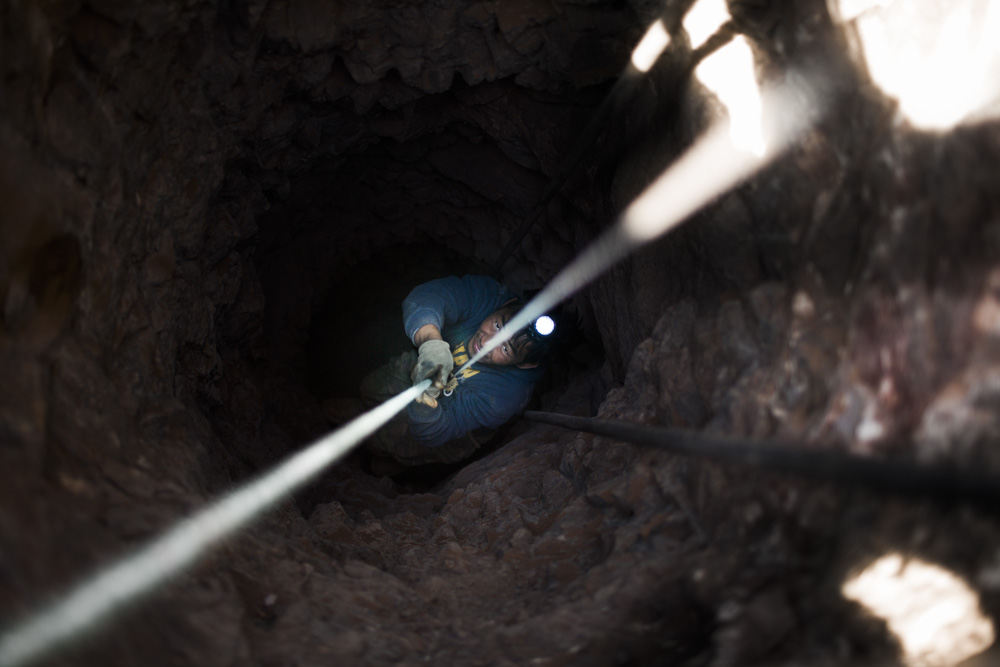
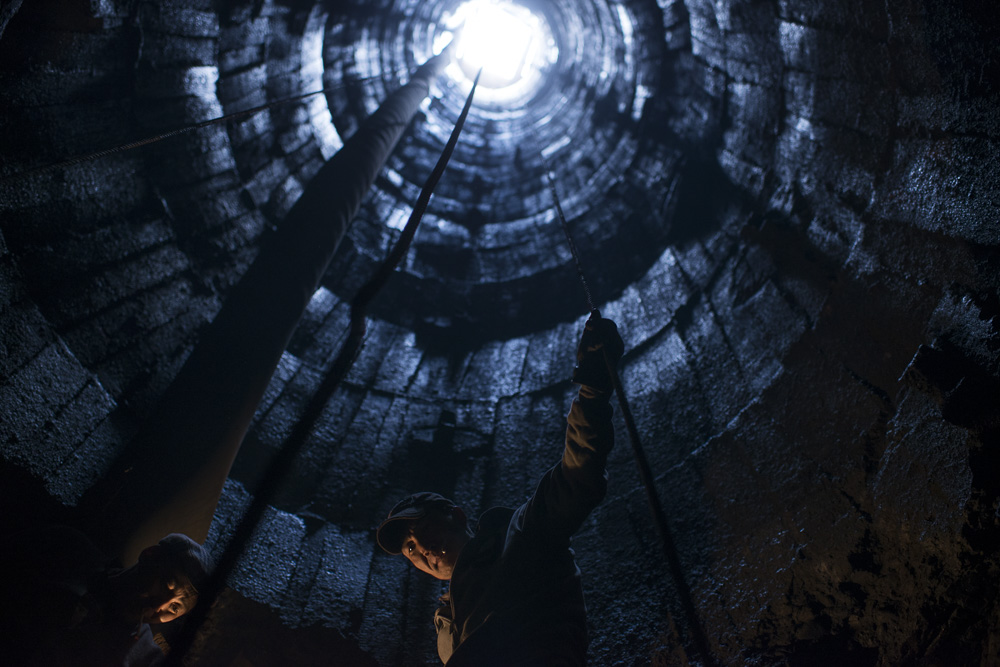
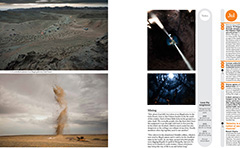
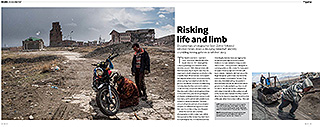
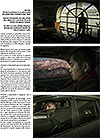
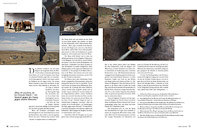
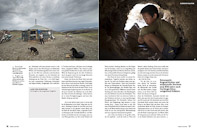
Deep holes and caves are driven into the rocky soils of Mongolia with primitive tools. The ninjas rarely have the means and the knowledge necessary to create secure tunnels under the ground. In the Gobi desert there is no wood to support the ceiling and the prospectors often use dynamite to break solid rock. In addition highly poisonous mercury is used to increase the gold recovery rates. The prospectors very often lack the knowledge of safe handling of these high-risk material. Therefore the risk for the people is very high to get buried or hurt by explosions or to get sick due to mercury poisoning.
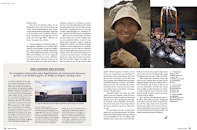
To extract the gold from the rock mercury is used in which the gold completely dissolved. The resulting amalgam is heated to vaporize the mercury and to get out the gold. The mercury is highly toxic and applied by the simple techniques of the prospectors it reaches the groundwater. Mercury is furthermore evaporated at the ovens in the yurts where the people live and eat. Through the daily contact with mercury it is hard to avoid that the miners and their families accumulate the mercury. After the gold washing process mercury-contaminated sludge lays around openly and the mercury is spread with the dust by the wind over wide areas for decades. The mercury passes through groundwater in the wells and so into the food chain of the nomads. The human being is the last link in this food chain and thus gets the highest doses of the toxic mercury. Mercury is especially harmful when absorbed for many years by the human organism. It is destructive to the brain and the nervous system and also causes miscarriages in animals and in humans. |
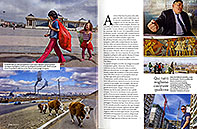
Goldrausch in der Mongolei: Die Mongolei ist ein Land, das bis heute geprägt ist durch die Kultur der Nomaden. Seit jedoch in der Mongolei bedeutende Goldvorkommen entdeckt wurde, sind Nomadentum und Natur bedroht. Die Nachricht von der Ausbeutung des wertvollen Metalls durch ausländische Firmen löste große Empörung bei den Nomaden aus. Nach einem alten Gesetz der Steppe gehört das Gold den Bewohnern des Landes. Einige Nomaden beginnen auf eigene Faust nach Gold zu graben und es wurden immer mehr. 100.000 Menschen graben mittlerweile in der Mongolei illegal nach Gold – man nennt sie dort Ninjas.
Das Leben der Nomaden ist sehr hart und geprägt von dem rauen Klima, der kargen Vegetation und der Suche nach neuen Weideflächen und Wasser für die Herden. Extreme Winterkälte und Schneefall haben wiederholt zu Katastrophen geführt. Der mongolische Begriff für diese Ereignisse ist Zud und beschreibt eine Naturkatastrophe, bei der die Tiere aufgrund von Schnee oder Eis nicht genug Nahrung finden. Im Februar 2010 starben über 2.000.000 Tiere an den Folgen eines Zud. Aufgrund dieser extremen existentiellen Risiken für die Nomaden und fehlender finanziellen Absicherung ist der Druck das Nomadenleben aufzugeben bei vielen Familien sehr hoch. Die Menschen sehnen sich nach dem „westliche Wohlstand und träumen von einem bequemen Leben in der Stadt. Die Arbeitslosigkeit in den Städten ist jedoch sehr hoch und die Chancen für eine Nomadenfamilie, die ohne Mittel in die Stadt kommt, stehen sehr schlecht. Dreiviertel der Mongolen müssen heute mit weniger als 2 Dollar am Tag auskommen. Damit gehört die Mongolei zu den ärmsten Ländern der Erde. Viele Nomaden erhoffen sich bei der Suche nach Gold reich zu werden. Manche Familien geben sogar ihre Herden vollständig auf um nach Gold zu graben.
Die mongolische Nomadenkultur hat eine Tradition die einen nachhaltigen Umgang mit der Natur und ihren Ressourcen vorschreibt demnach ist es nicht erlaubt wertvolle Metalle und Steine zu nehmen. Die Ninjas haben in der Mongolei kein hohes Ansehen. Die meisten Goldgräber schämen sich dafür in der Erde zu graben. Es ist ihnen bewusst, dass sie die Natur zerstören und dass sie damit gegen Werte verstoßen, die ihren Eltern noch heilig gewesen sind. Trotzdem graben immer mehr Menschen in der Mongolei nach Gold.
Mit einfachen Mitteln werden Löcher, Höhlen und Gänge in die steinigen Böden der Mongolei getrieben. Die Ninjas verfügen selten über die Möglichkeiten und die notwendigen Kenntnisse, um sichere Stollen unter der Erde anzulegen. In der Wüste Gobi gibt es kein Holz, um die Decken der Gänge abzustützen und häufig verwenden Ninjas Dynamit, um massive Felsen zu brechen. Zudem wird zum Herauslösen des Goldes aus dem Gestein hochgiftiges Quecksilber verwendet. Das Wissen, um den sichern Umgang mit diesen hoch gefährlichen Stoffen ist jedoch bei den Ninjas gering. Das Risiko verschüttet zu werden, sich bei Sprengungen zu verletzen oder aufgrund von Vergiftungen mit Quecksilber zu erkranken ist demnach für die Menschen sehr hoch.
Um das Gold aus dem Gestein herauszulösen verwendet man Quecksilber, in dem sich das Gold komplett auflöst. Das so gewonnene Amalgam wird erhitzt um das Quecksilber zu verdampfen und das Gold zu gewinnen. Das Quecksilber ist sehr giftig und bei den von den Ninjas angewandten Techniken gelangt es ins Grundwasser und beim Verdampfen in die Luft. Nicht selten wird das Quecksilber an den Kochstellen in den Jurten verdampft, wo die Goldgräber nicht nur kochen sondern auch essen und schlafen. Durch den täglichen Umgang mit Quecksilber ist es kaum zu vermeiden, dass die Goldgräber selbst und ihre Familien das Quecksilber aufnehmen. Der beim Goldwaschen mit Quecksilber verseuchte Schlamm liegt frei herum. Das Quecksilber wird mit dem Staub durch den Wind über Jahrzehnte auf weiten Flächen verteilt. Das Quecksilber gelangt über das Grundwasser in die Brunnen und so in die Nahrungskette der Nomaden. In dieser Nahrungskette stellt der Mensch das letzte Glied dar und erhält somit die höchsten Dosen Quecksilber. Das Quecksilber ist insbesondere wenn es über Jahre hinweg auf den menschlichen Organismus einwirkt zerstörerisch für das Gehirn. Zudem verursacht Quecksilber Fehlgeburten bei Tieren sowie bei Menschen. |